 Factory store
 Professional area


Initiatives in Cacao Origin Regions
Felchlin Sélection Guidelines
For more than 20 years, our self-imposed Felchlin Sélection Guidelines have defined our requirements for the origin, quality and flavour profile of our cacao, as well as fair conditions and the responsible use of natural resources.
Felchlin Fair Direct Cacao
Our Fair Direct Cacao philosophy grew out of the Felchlin Sélection Guidelines. It stands for direct, long-term partnerships on an equal footing and a pricing model that includes an additional Felchlin premium to promote sustainability and quality. In this way, we support local projects benefiting cacao-farming families while securing high-quality cacao for our couvertures.
Cacao Principles
Cacao Principles
Cacao Principles
Healthcare at Cacao Origin
Since 2021, we have been committed to improving access to healthcare in cacao-producing countries.
Together with our local partners and implementation partner Elucid, we provide cacao farmers and their families with access to basic medical care. Our commitment currently encompasses five projects in Ghana, Venezuela, Ecuador and Madagascar. Our aim is to reduce the health and financial burdens faced by cacao-farming families and strengthen their social protection.
Learn more about the individual projects
Commitment to Combating Deforestation
We place great importance on quality and responsible business practices.
We support appropriate cultivation and production methods and require our suppliers to provide raw materials that comply with the EU Deforestation Regulation (EUDR). Through our Supplier Code of Conduct, suppliers commit to complying with the EUDR requirements and ensuring the traceability of cacao raw materials and cacao products.

Commitment to Combating Child Labour
We have established our own corporate guidelines on child labour.
Our Supplier Code of Conduct sets out the requirements for our partners, cooperatives and cacao farmers at origin, as well as how these requirements are implemented and monitored. Our employees, partners, cooperatives and farmers regularly receive awareness-raising and training on this issue.
Our aim is to protect children from exploitation. We follow internationally recognised principles and standards of the International Labour Organization (ILO) concerning the protection of children and the prevention of child labour. We firmly condemn all forms of forced labour, child slavery and practices in which children are exploited or exposed to harmful or dangerous working conditions. We strictly comply with local laws regarding the minimum age for employment and other employment conditions.

Cacao from West Africa
Our cacao from Ghana comes exclusively from our partner Yayra Glover (Yayra Glover Ltd.), who is regarded as a pioneer of organic cacao in Ghana.
We have supported Yayra Glover in realising his vision from the outset, both practically and financially. Through this long-standing collaboration, we now source organic cacao of exceptional quality that meets our quality standards.
The organically certified cacao from Yayra Glover Ltd. is certified under the Swiss Organic Farming Ordinance and the EU Organic Regulation. It is deforestation-free and traceable. Measures are also in place to prevent and monitor child labour.
More about the cacao origin Ghana
Origin of our cacaos
Each cacao region of origin has its own challenges, opportunities and starting points. We are familiar with the situations on site and are in regular contact with our partners. Find out more about the individual regions of origin.
Discover
«We live with passion and responsibility to bring enjoyment from the origin around the world.»
Accruals for sustainable support
Every year, Felchlin sets up accruals to support sustainable projects in the regions of origin (formerly the Felchlin Cacao Fund). Furthermore to the Fair Direct Cacao philosophy Felchlin has an additional opportunity to finance projects such as the construction of schools, to stem the rural exodus, to grow cacao plants and to generally improve quality and sustainably support people and nature in the regions of origin. These funds currently finance five healthcare projects: Akwaaba in Ghana, Salud sur del Lago in Venezuela, Salud Esmeraldas and Yanapari in Ecuador, and Salama Mateza in Madagascar.
Below you will find a range of projects that have been implemented thanks to Felchlin's support.

Tree Nursery Sambirano
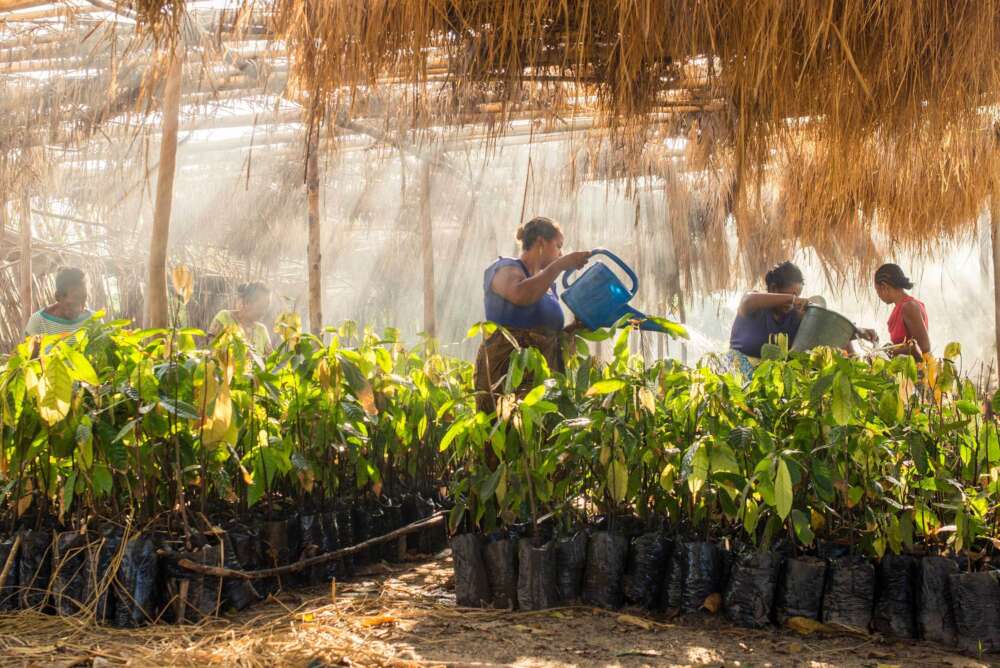
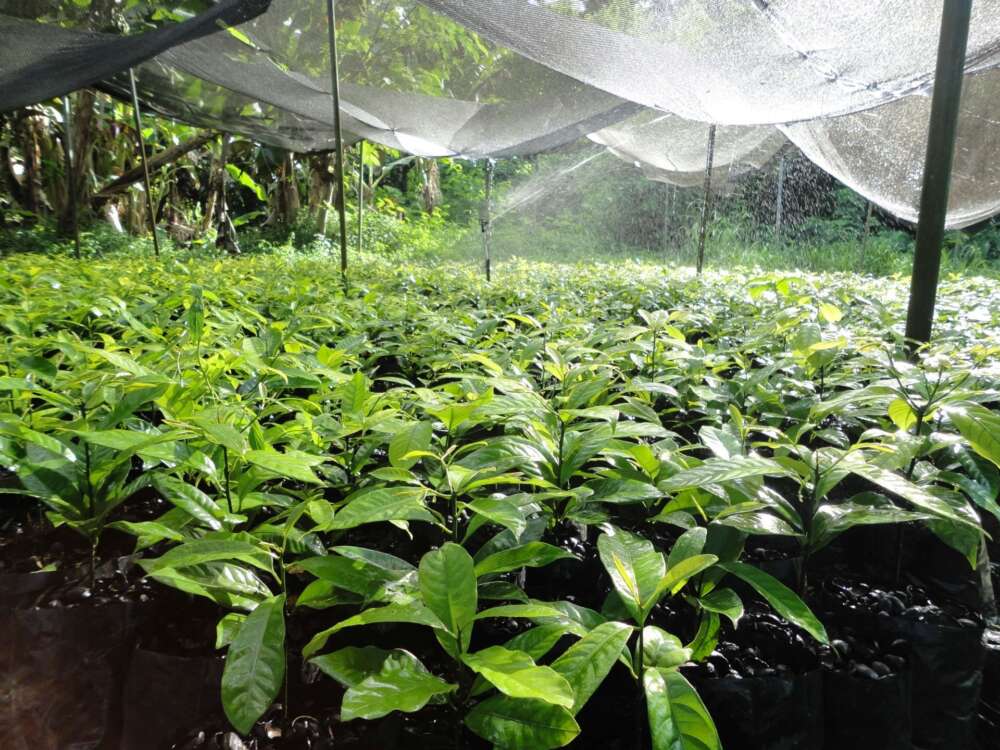
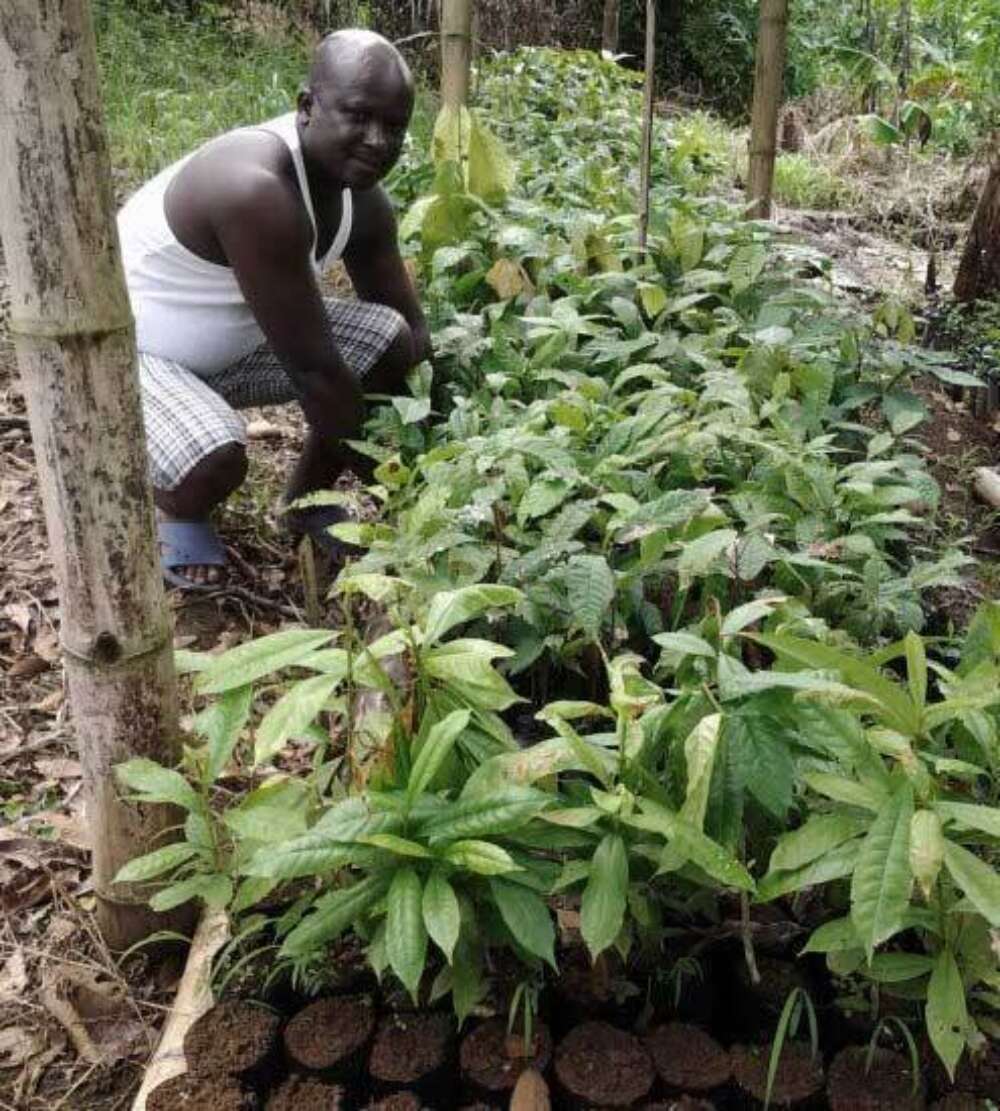
In 2017, Felchlin launched a project for the women's community in Ambalavelona, the area where our cacao is grown. This organisation was founded by employees of our partner and is actively involved in cacao at the local level. The aim of the project is to financially support the local women's community in setting up a tree nursery for cocoa trees. Thanks to the project, an infrastructure is created to raise young cacao trees with the help of our partner's knowledge. The organisation then sells the young cocoa seedlings to the local farmers, who in turn provide us with the cocoa as raw material.

COMPOSTING IN GRENADA
Thanks to support from the Cacao Fund, Grenada received a local composting facility. A significant step towards successful value creation in agriculture and a long-term benefit for the natural environment and the farmers: high-quality compost firstly conserves the soil and secondly stimulates growth on the cultivated land.

Research in Costa Rica
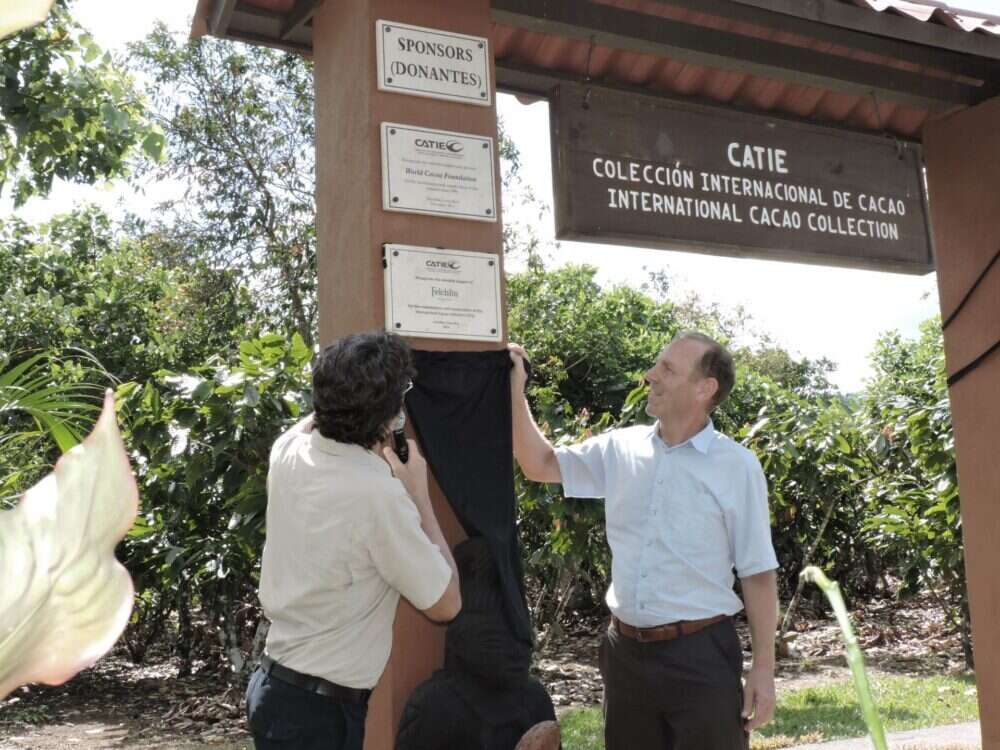
The Centro Agronómico Tropical de Investigación y Enseñanza (CATIE) in Costa Rica is working on improving the virus resistance of cacao fruits and researching into new quality concepts and ways of improving cacao’s adaptability to climate change. Felchlin was participating in the research, whilst helping implement the results at the local plantations to ensure healthy harvests and enhance the income and living conditions of the farming families in the region.

School in Madagascar
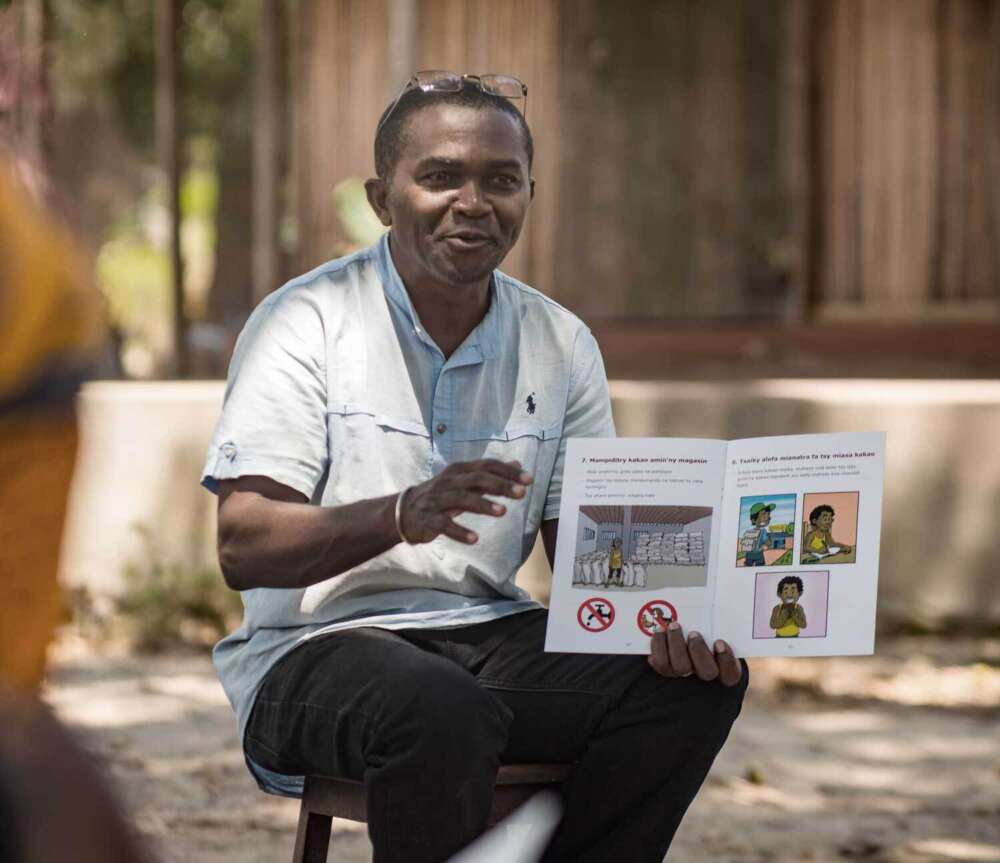
With a school built in 2014 in the north of Madagascar, Felchlin supports the people in the area of origin Ambalavelona-Ambanja. Aspiring cacao farmers and agronomy students have the opportunity to attend courses on cacao cultivation. In addition to the construction of the new school premises, Felchlin designed and financed suitable teaching materials in the form of learning booklets for the students in Ambalavelona and the surrounding area. These describe how cacao is grown, so that the students gain important knowledge about regional agriculture and the cultivation of quality cacao. The lessons are taught by our partner in Sambirano.

Organic Cacao from Ghana
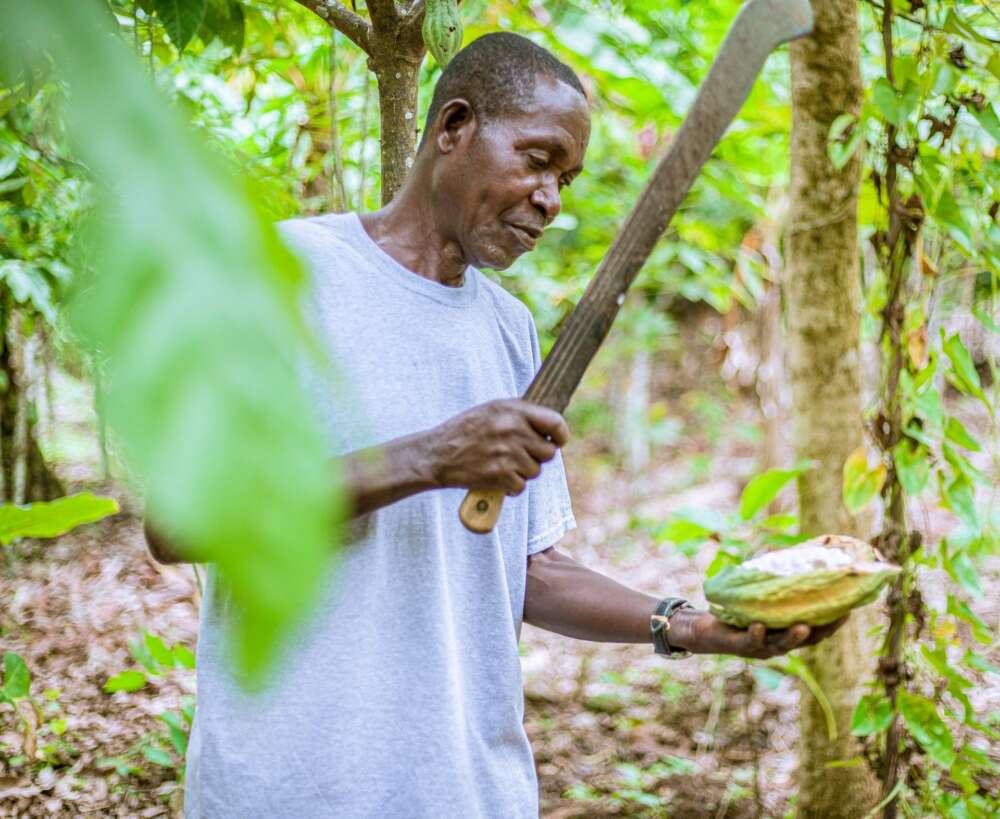
Yayra Glover, born and raised in Ghana, studied in Switzerland and started his family here. He had the vision of generating a secure income for the farmers in his home country through the sustainable cultivation of organic cocoa and thus counteracting poverty and the rural exodus. With the approval of the Ghana Cocoa Board, Yayra Glover was the first person to be allowed to sell cocoa from the Suhum District directly to Felchlin and has done pioneering work with the whole project. You can find out more about this project in the documentary film "Zartbitter".

Planting of cacao trees in Ecuador
With the tree project in Ecuador, Felchlin directly supported the planting of young cacao trees in the Aprocane cooperative in 2014/2015. The trained forester Henrris Castillo Mina was the project manager on site. He carefully took care of the seedlings and incorporated his knowledge of sustainability and the best locations for the plants when planting the several thousand cacao trees.

«We live with passion and responsibility to bring enjoyment from the origin around the world.»